
Tips for Creating a Cozy and Functional Home Office Space
Creating a home office that feels both cozy and functional can greatly improve your productivity and well-being. Whether you work remotely full-time or occasionally need a dedicated space for tasks, designing an inviting and efficient office at home is essential. Here are some helpful tips to guide you in crafting a workspace that supports your focus without sacrificing comfort.
Choose the Right Location
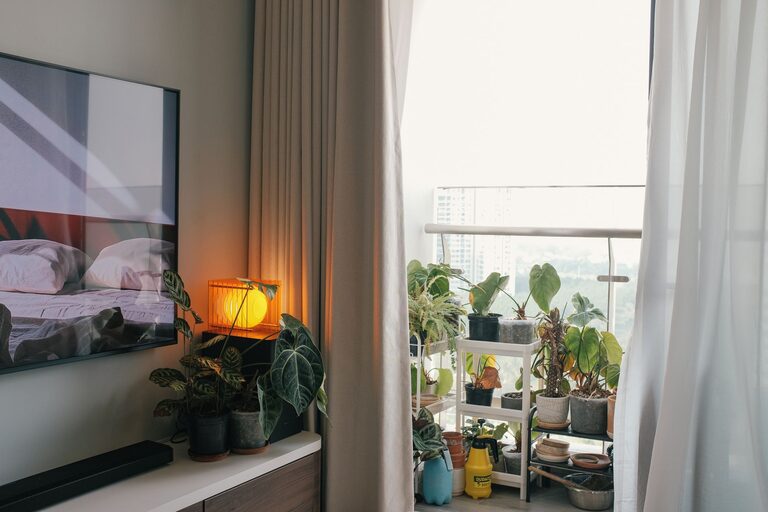
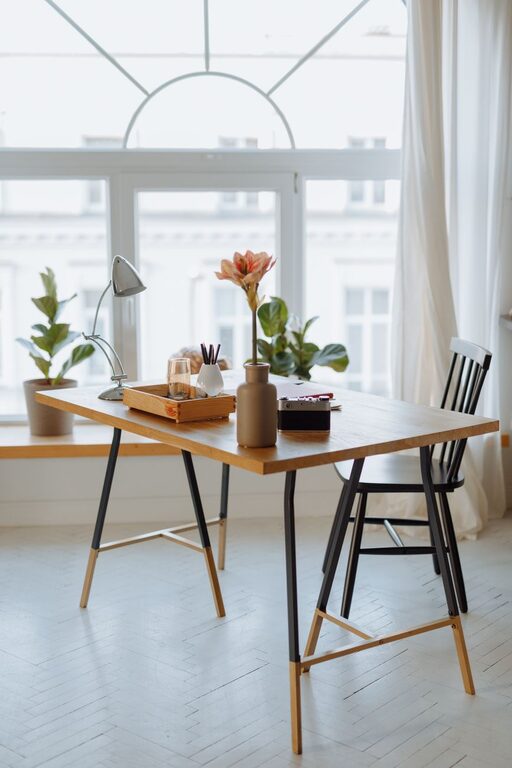
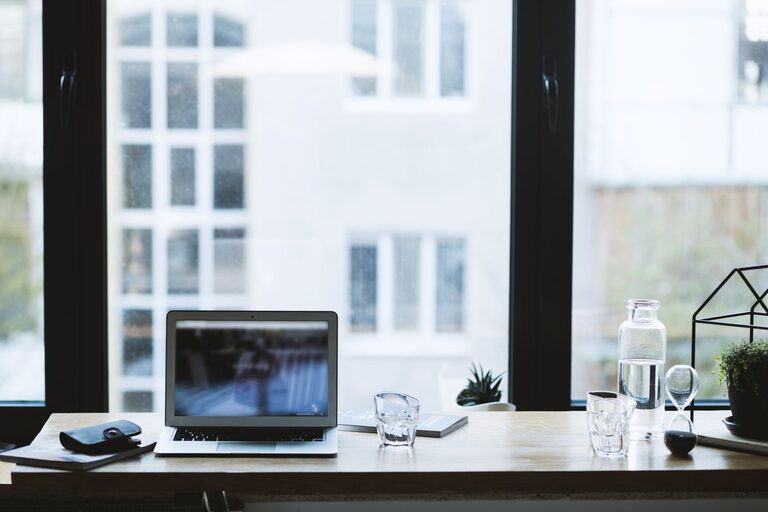
Picking the right spot for your home office is the first step. Ideally, select a quiet area away from high-traffic parts of your home to minimize distractions. Natural light is a big bonus, so try to position your desk near a window. Not only does sunlight boost mood and energy, but it also reduces eye strain. If natural light isn’t an option, invest in good-quality, adjustable lighting that doesn’t glare on your screen.
Select Comfortable and Supportive Furniture
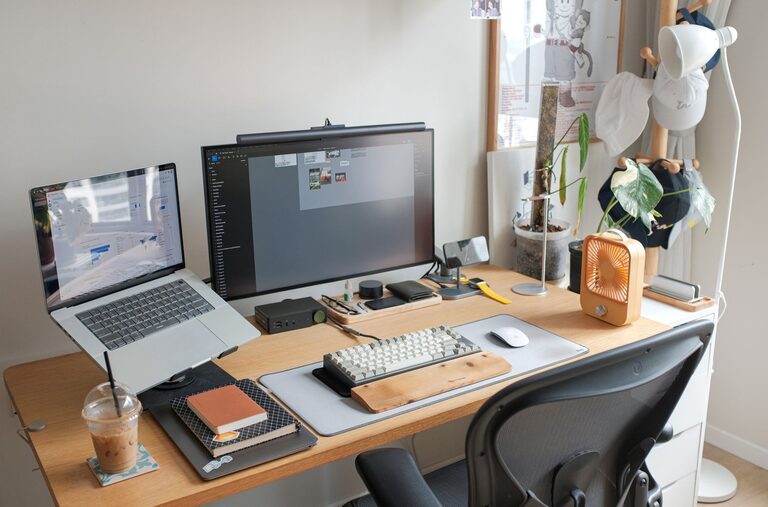
Your desk and chair are the foundation of your office setup. Choose a chair with ergonomic features—adjustable height, lumbar support, and comfortable cushioning—to keep you comfortable over long working hours. For your desk, consider size and height. You want enough surface area for your computer, notebooks, and other tools, without it feeling cluttered. Adjustable desks that can switch between sitting and standing positions add flexibility and promote better posture.
Organize Effectively
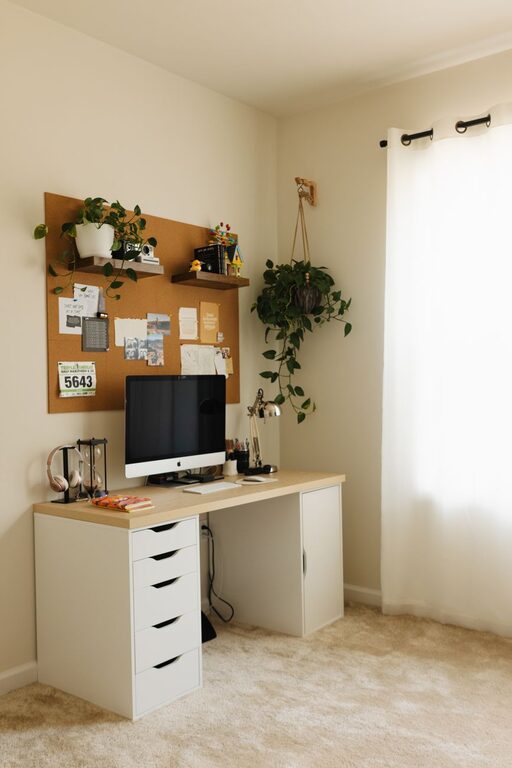
Clutter can be a major productivity killer. Organize your supplies, documents, and gadgets in a way that keeps everything within easy reach but out of the way. Use shelves, filing cabinets, or storage boxes to keep items neat. Cable management tools, such as clips and sleeves, can tame messy cords and keep your area tidy. Regularly declutter your desk to maintain a clean, inspiring environment.
Personalize Your Space
Adding personal touches makes your office feel welcoming and motivating. Choose artwork, plants, or photos that bring you joy and help create a calm atmosphere. Plants are especially beneficial—they improve air quality and add a natural element that can reduce stress. Use soft rugs or cushions to add warmth and texture underfoot, contributing to the cozy feel.
Optimize Technology Setup
Ensure your technology setup supports your work needs. A reliable high-speed internet connection is a must. Position your monitor at eye level to avoid neck strain, and consider a separate keyboard and mouse for better ergonomics. Noise-cancelling headphones can help block out background noise if your home is busy. Investing in quality tech accessories can save time and reduce frustration.
Control Noise and Distractions
Noise control is important for concentration. If silence isn’t possible, use soundproofing tools such as rugs, curtains, or acoustic panels to reduce echo and outside sounds. White noise machines or soft instrumental music can also help mask distractions. Set clear boundaries with family or roommates about your work hours and space to encourage respect for your focus time.
Maintain Good Lighting
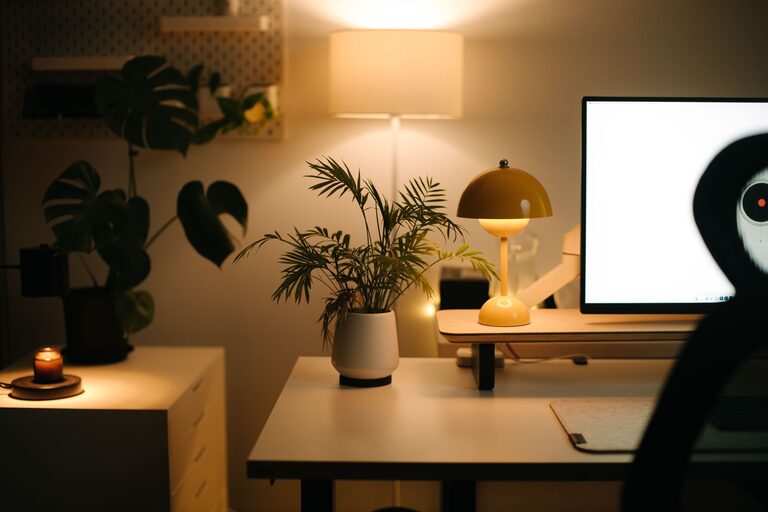
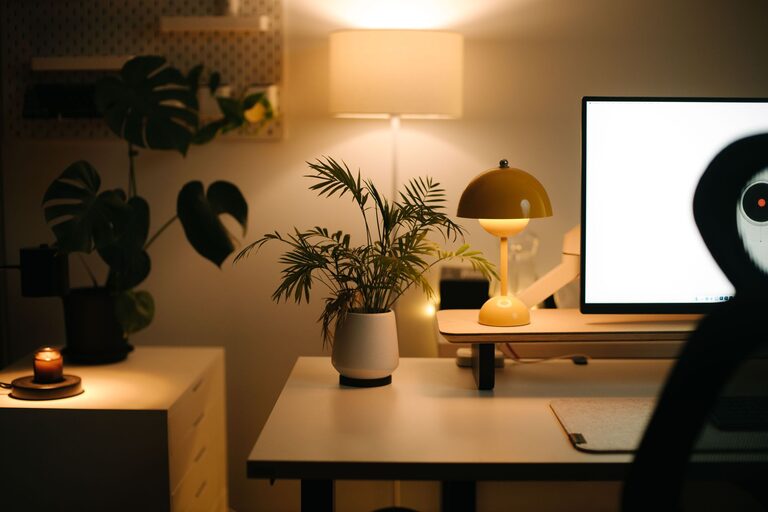
Good lighting prevents eye strain and keeps you alert. Combine natural light with adjustable artificial lighting. A desk lamp with adjustable brightness and color temperature allows you to adapt lighting to different times of day. Avoid harsh overhead fluorescent lights; instead, opt for warm LED bulbs that create a gentle ambiance while providing sufficient illumination.
Incorporate Break and Stretch Zones
Taking breaks is vital to maintain productivity and avoid burnout. If space allows, include a small corner with a comfortable chair or yoga mat where you can stretch, meditate, or just relax briefly. Moving away from your desk during breaks helps refresh your mind and reduce physical tension.
Use Color and Decor Wisely
Colors can influence mood and energy levels. Soft, neutral tones like beige, light gray, or soft blues create a calm, professional experience. Add pops of your favorite colors in accessories or artwork to boost creativity. Keep decor minimal but meaningful to avoid overstimulation.
Regularly Reevaluate Your Workspace
Your needs and preferences may change over time, so revisit your workspace setup periodically. Adjust furniture placement, update storage solutions, or add new decor to keep your office fresh and inspiring. Small changes can reinvigorate your work environment and help maintain enthusiasm.
—
Designing a cozy, functional home office is about balancing comfort with organization to create an inviting space that supports your best work. By choosing the right location, investing in ergonomic furniture, managing clutter, personalizing your space, and optimizing lighting and technology, you can build a home office that feels like a productivity haven. Remember to listen to your needs and make adjustments as your routine evolves, ensuring that your workspace continues to serve you well.