

Tips for Creating a Productive Home Office Environment
Creating a productive home office environment is essential for anyone working remotely or running a business from home. A well-organized and thoughtfully designed workspace can improve focus, reduce distractions, and help you maintain a healthy work-life balance. Whether you have a dedicated room or a small corner at home, these tips will guide you in setting up a home office that supports your productivity and well-being.
1. Choose the Right Location
Finding the perfect spot for your home office is the first step toward productivity. Consider these factors:
– Quiet and Private: Select a place with minimal noise and interruptions from family members or roommates.
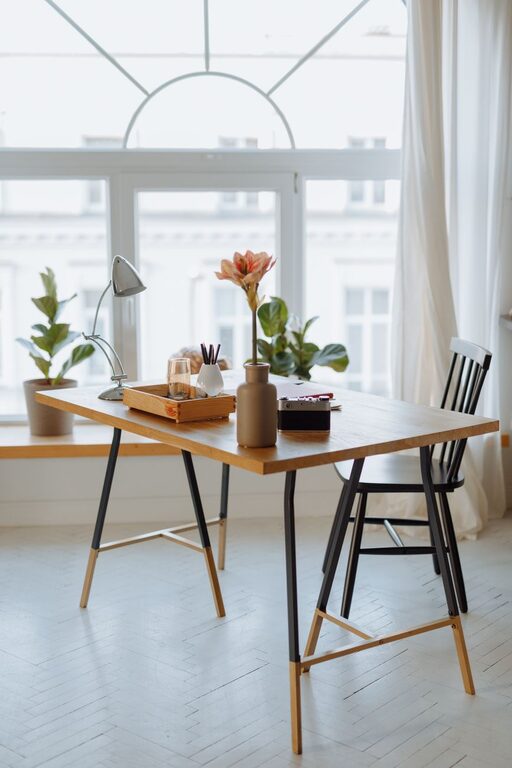
– Natural Light: Work near a window if possible. Natural light boosts mood and energy.
– Separate from Daily Life: Avoid areas like the kitchen or living room where distractions are common.
If space is limited, even a small dedicated corner can work well.
2. Invest in Ergonomic Furniture
Comfort is key to staying focused and avoiding strain during long work sessions.
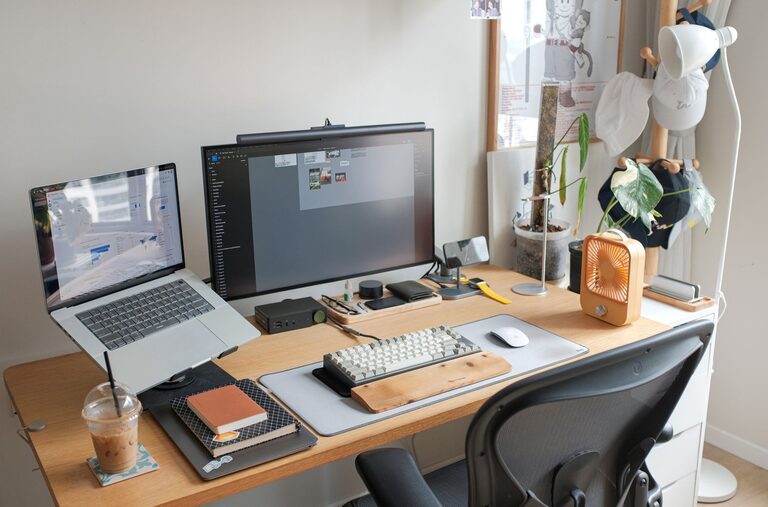
– Desk: Choose a desk that fits your space and allows for good posture. Adjustable desks that convert from sitting to standing position can be beneficial.
– Chair: Invest in a supportive chair with adjustable height and lumbar support.
– Monitor Placement: Keep your computer screen at eye level to prevent neck strain.
Adding a footrest or a cushion can enhance comfort further.
3. Optimize Lighting
Good lighting reduces eye strain and improves alertness.
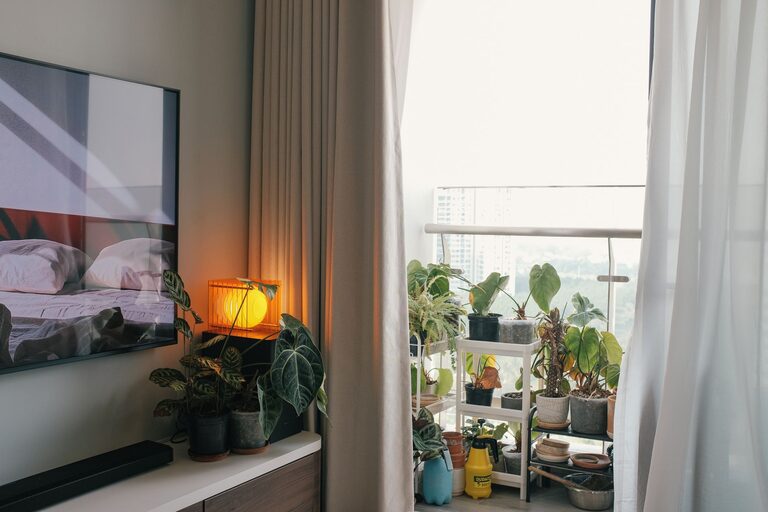
– Use Natural Light: Open blinds or curtains to let in daylight.
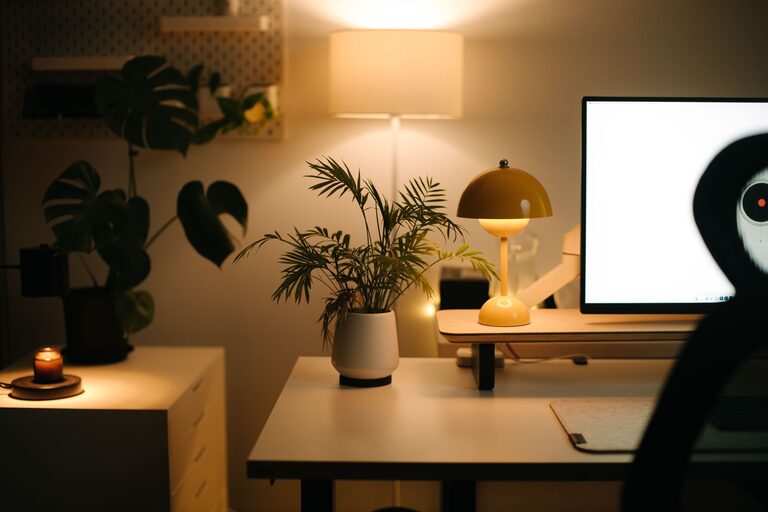
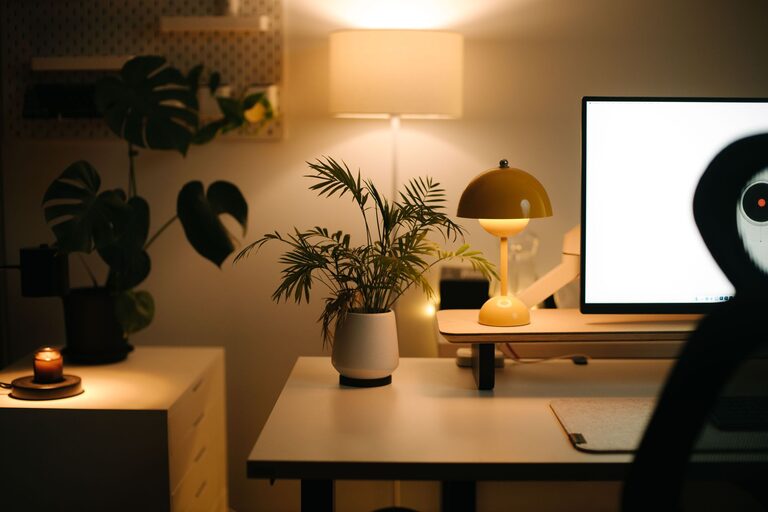
– Supplement with Artificial Lighting: Use desk lamps with adjustable brightness and color temperature.
– Avoid Glare: Position monitors and lights to reduce reflections on screens.
Balanced lighting helps maintain focus throughout the day.
4. Keep Your Workspace Organized
An organized desk encourages a clear mind and efficient workflow.
– Declutter Regularly: Remove unnecessary items from your workspace.
– Storage Solutions: Use shelves, drawers, or desk organizers to keep supplies handy but out of the way.
– Cable Management: Use clips or cable organizers to tidy computer wires and chargers.
Labeling drawers or containers can save time searching for supplies.
5. Minimize Distractions
Limiting distractions helps maintain concentration.
– Turn Off Notifications: Mute non-essential phone and computer notifications during work hours.
– Use Headphones: Noise-canceling headphones can block background sounds.
– Set Boundaries: Communicate your work schedule to others at home to reduce interruptions.
Focus aids like ambient noise apps or instrumental music can also help.
6. Personalize Your Space
Adding personal touches makes your home office a more inviting and motivating place.
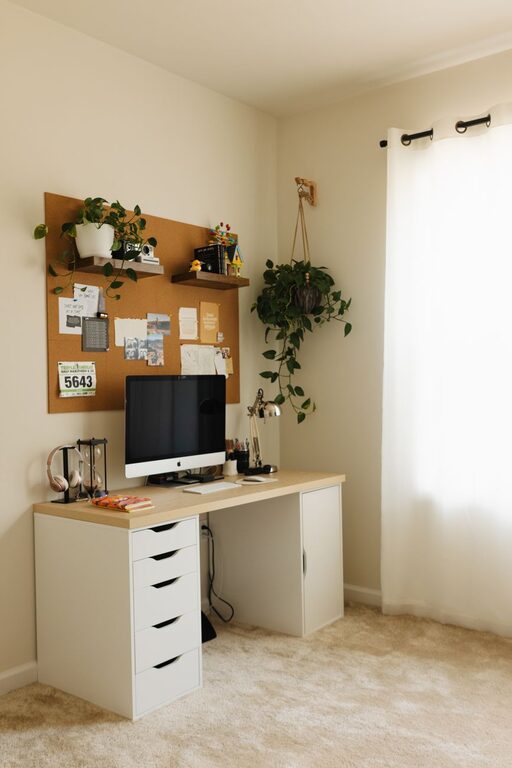
– Decorate with Plants: Indoor plants improve air quality and add color.
– Display Inspiration: Photos, quotes, or artwork can boost creativity.
– Comfort Items: Add a cozy throw or your favorite mug for breaks.
Personalizing your workspace helps create a positive atmosphere.
7. Establish a Daily Routine
A consistent routine supports productivity and work-life balance.
– Set Regular Hours: Define when your workday starts and ends.
– Take Breaks: Follow the Pomodoro Technique or take short breaks to rest your eyes and stretch.
– Plan Tasks: Use to-do lists or digital planners to organize your work.
Consistency helps your mind associate your home office with productivity.
8. Use Technology Wisely
Leverage technology to streamline your work without distractions.
– Reliable Internet: Ensure you have a strong, stable internet connection.
– Productivity Tools: Use apps for time management, note-taking, and project collaboration.
– Backup Data: Regularly save your work and use cloud storage.
Keep your software updated for security and performance.
9. Prioritize Health and Well-being
Your workspace should support both your work and your health.
– Stay Hydrated: Keep a water bottle nearby.
– Move Regularly: Stand up, stretch, or walk around every hour.
– Maintain Good Posture: Check your chair and desk setup to avoid strain.
A healthy body contributes to a productive mind.
Conclusion
Creating a productive home office environment involves thoughtful planning and ongoing adjustments. By selecting the right location, investing in ergonomic furniture, managing lighting, and organizing your space, you can build a comfortable and efficient workspace. Remember to set boundaries, personalize your area, and establish routines that foster focus and balance. With these tips, your home office can become a place where productivity and well-being thrive together.